
Making Parking Multilingual
At Enigmatry, we explore innovative uses of AI to simplify and improve real-world situations. Our AI Translation System, designed for Q-Park's multi-tenant Dutch parking permit application reflects this approach. By automatically translating both static and dynamic content using advanced language models, the system removes language barriers that often lead to confusion, fines, and frustration, transforming a recurring issue into a seamless, user-friendly experience.
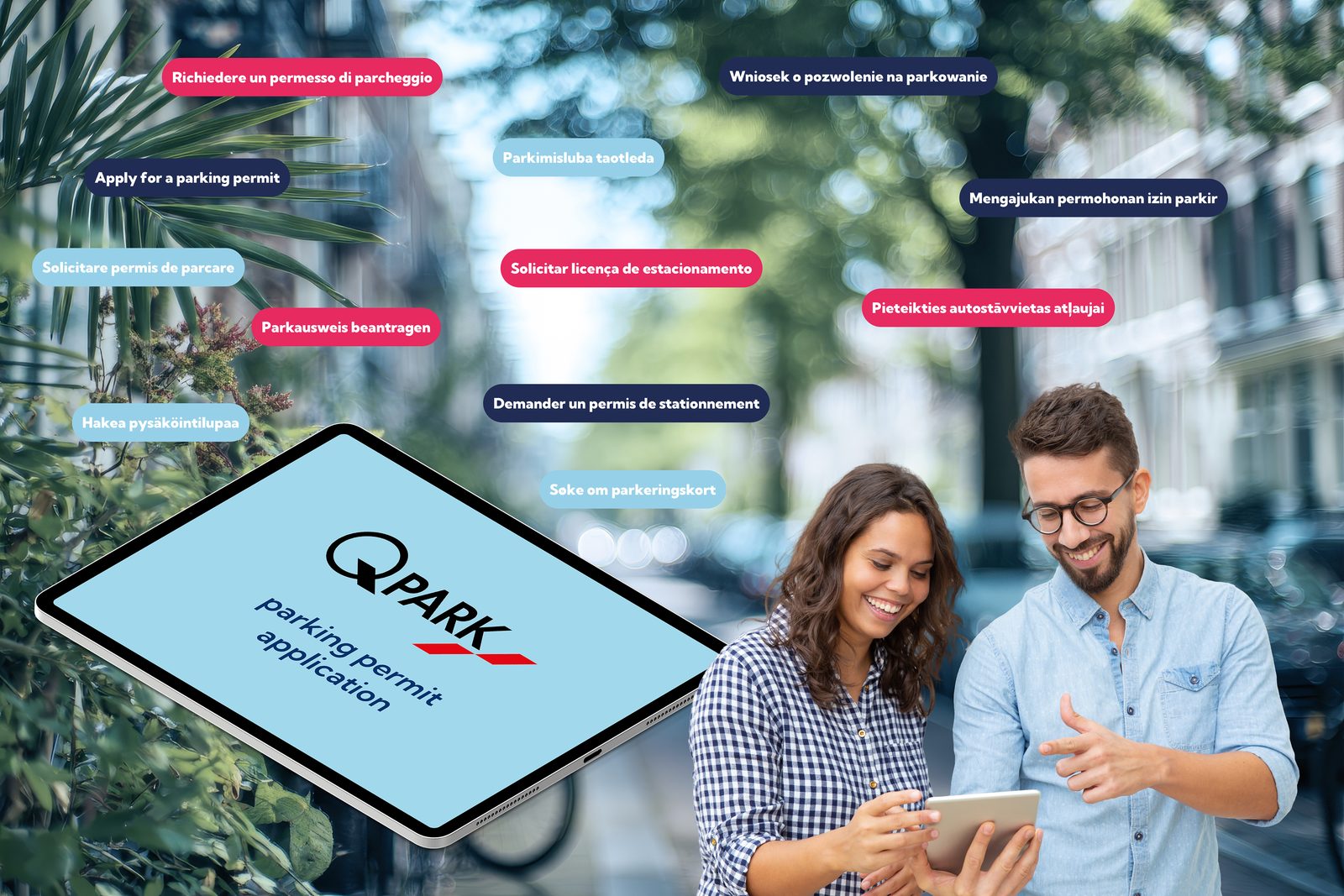

The Challenge: Accessibility Gaps in Parking Services
Municipalities are required to support a wide range of users, many of whom do not speak Dutch. In parking applications, this language gap can lead to misunderstandings about rules, permits, and fines, resulting in frustration for users and increased support burdens for municipalities. This need for multilingual assistance in public sectors continues to grow, and yet, manually managing translations across tenants and content types remains a costly and error-prone task.
"To solve this, we created an AI-powered system that does not only automate content translation, but also intelligently pre-caches them, enforces domain-specific glossaries, and adapts to each municipality’s needs without requiring manual input. This ensures that every user, regardless of background, can navigate parking rules with clarity and confidence."
How Does It Work?
Carefully engineered to balance speed, accuracy, and scalability, the P1 AI Translation System begins by pre-caching all relevant content when a new municipality joins the platform. This ensures that users experience instant, high-quality translations from their very first interaction. The system intelligently groups related strings to preserve context, applies a parking-specific glossary for consistent terminology, and dynamically replaces user-facing content in real time, all while keeping performance sharp through smart caching and lightweight language models.
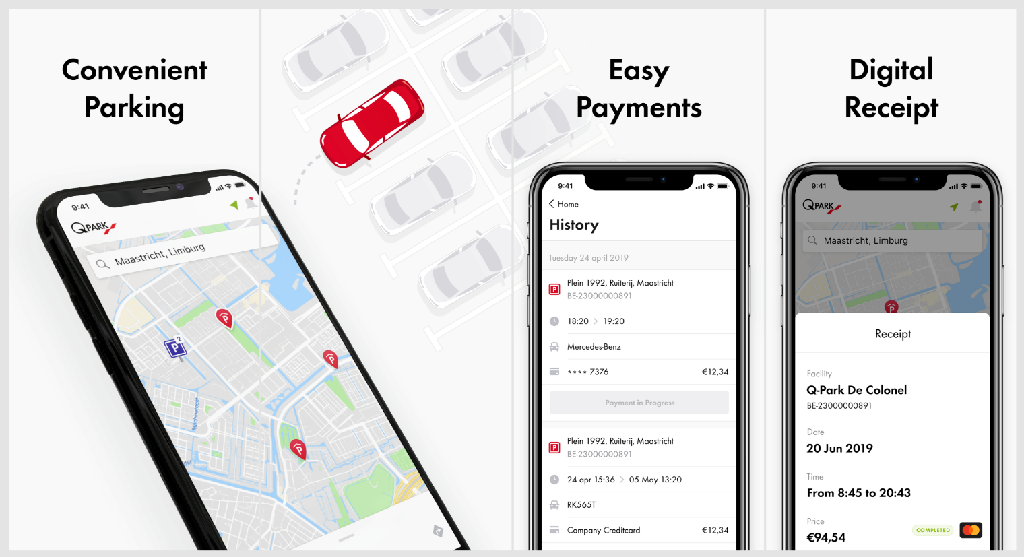
At its core, the system integrates:
- LLMs:GPT-4.1-mini for fast, cost-efficient translations.
- Prompt Engineering:Includes application context, audience, and glossary terms.
- Caching:Reduces latency and ensures consistency.
- API Filtering:Dynamically replaces marked strings with translated content.
- Frontend Integration:Static translations via JSON files.
Benefits
- Efficiency: Automated translations. Saves time and reduces manual workload
- Swift Onboarding:Eases onboarding by pre-caching translations for new municipalities
- Improved Support:Reduces the burden on support teams
- User Satisfaction:Minimizes confusion and frustration. Fewer complaints and smoother interactions
- Cost Control:Keeps translation fast and affordable
Looking Ahead: Smarter, Faster, Broader
We designed the P1 AI Translation System with growth in mind. Upcoming improvements will focus on smarter caching and prompt-tuning to boost performance and reduce costs with features like tenant-specific glossary control, and automated handling of sensitive data to make the system even more ready for future multilingual demands.
Conclusion
This AI Translation System is a leap forward in making public digital services more accessible, scalable, and intelligent. Whether you're a municipality looking to modernise your parking infrastructure or a developer seeking smarter localization, this system sets a new standard for multilingual support in civic tech.