Challenge.
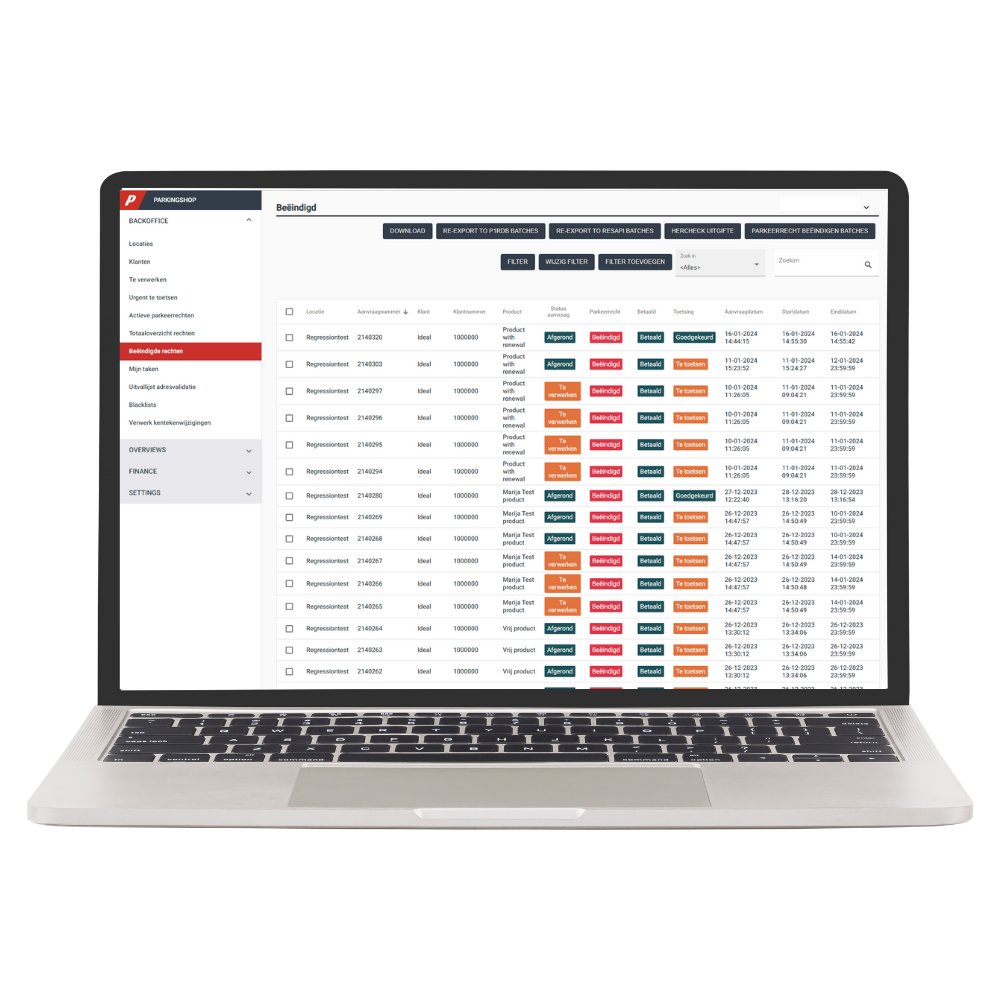
In the past, we tackled a pivotal challenge by constructing a multi-tenant back office system for P1, utilizing the low-code/no-code platform. Renowned for its low-code framework, adaptability, and swift development process,this solution initially garnered substantial success. It empowered our client to extend its user base significantly. However,as user numbers continued to surge, our existing solution encountered limitations. This prompted us to initiate a new phase: the quest for a scalable solution.
Solution.
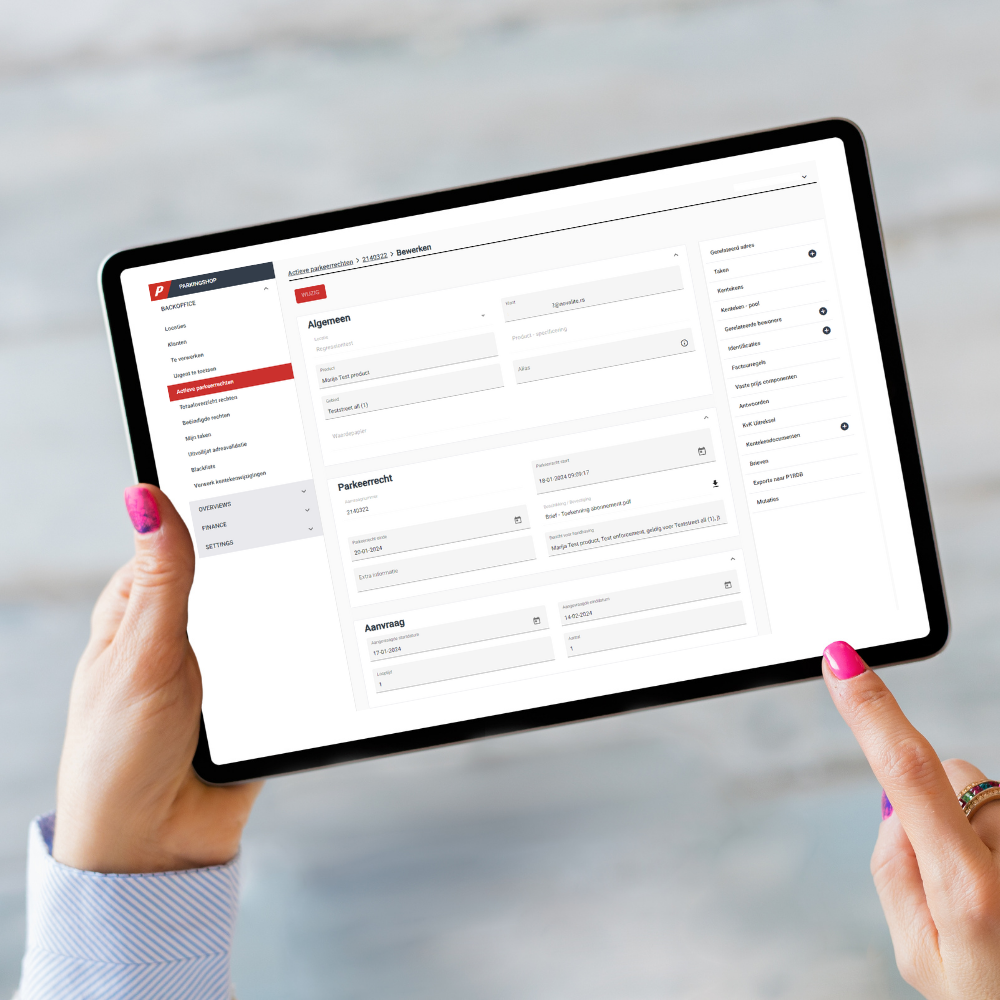
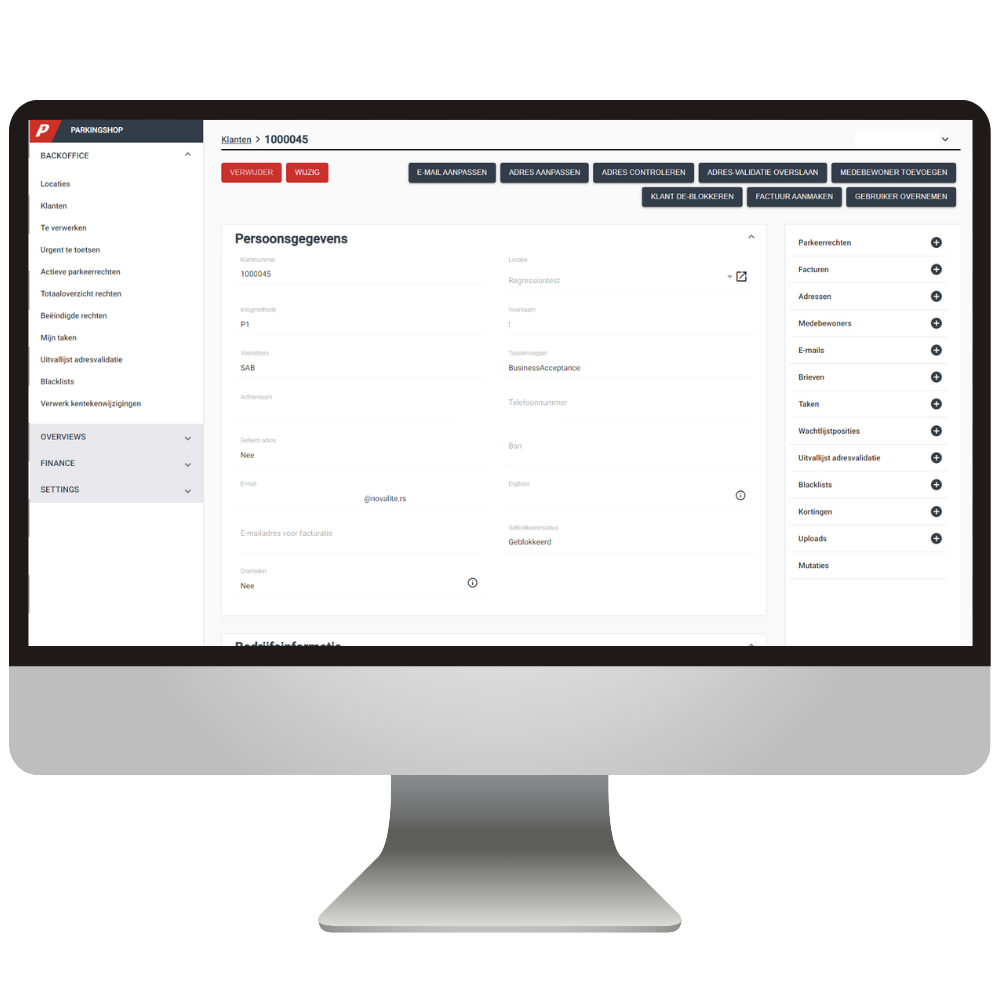
We offered to rebuild the existing system, to make it more scalable and more performant.For these reasons, we chose theMicrosoft tech stack. We had confidence that this approach would grant the system enhanced functionality and adaptability, allowingthe perfect foundation for our client to further grow its business. Also, with this new solution, we kept full control over the system, and could efficiently troubleshoot any potential issues.
Overall, when building a mission-critical system intended for use by tens of thousands of individuals, many existing solutions encounter their limitations. It is always better to opt for a technologically more advanced foundation, such as Microsoft technologies.Good things take time. There is no shortcut to excellence!
The reality of low-code platforms.
For a long time, the IT industry had an image of being too expensive and too slow to deliver viable products.Companies started looking for flexible, adaptable, user-friendly IT solutions with faster development processes (compared to traditional coding). This is where low-code/no-code platforms emerged. They offered simplified solutions and addressed these common IT industry challenges, especially when providing the base for simple apps, experimental, low concept and small-scale projects.
However, it's important to note that when dealing with mission-critical projects that require 24/7 availability, these platforms sometimes encounter performance limitations.To maintain high performance, we opt for scalable solutions and alternative foundations.
Enter Entry!
While working with these existing platforms, we evaluated their advantages and understood why companies choose these solutions.
So we started thinking.What if we could make our own platform, which we could use in Microsoft technologies? Is it possible to have the positives of low-code/no-code platforms while avoiding their downsides?
That is how Entry! was born. It is an Enigmatry-made platform designed to make our pure code process faster and, therefore, cheaper. The platform had its huge premiere in our P1 system rebuilding when we migrated it from the low-code/no-code platform to Microsoft, .NET, Azure, etc. It improved our work efficiency and enabled us to maintain complete control over the platform and its performance.