Where the idea came from
The idea for a new system came from the field. “Vets run into all sorts of problems with existing software and are convinced it can be done better. That is how a group of entrepreneurs from the sector found us. They wanted to find out together how software can support their practices, and they were looking for a party that could translate their needs into a system made for their field,” says Aldert de Vries, project manager at Enigmatry.
Building it together
Enigmatry developed Yessa together with entrepreneurs from the agricultural sector and with vets. The way the system is set up comes from their experience, so Yessa is built with people who know the market well. The collaboration goes further than development. “We invest in this new system together. Enigmatry builds it, and the entrepreneurs use their knowledge of the market and their contacts to get veterinary practices working with Yessa,” Aldert explains. “Enigmatry does not just build software. We are prepared to be entrepreneurs ourselves and to open up an existing market.”
The plan at the time was that, once enough vets worked with the system, Enigmatry would hand it to the vets. “Then the vets become the owners, in a cooperative. In the long run they decide how Yessa is maintained and developed further. That leaves no doubt about who owns the system and the data that belongs to it.”
Clear and comparable
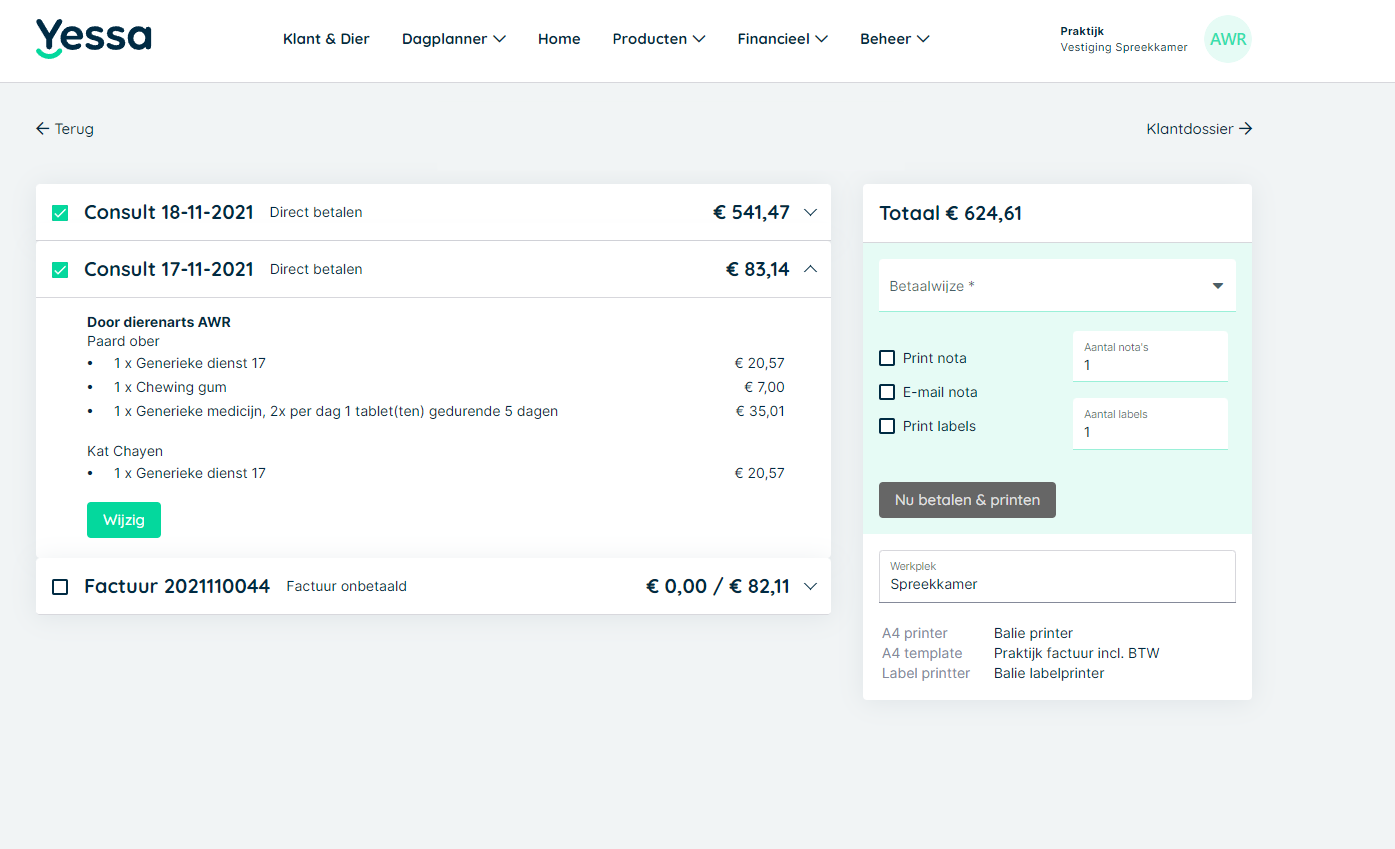
Yessa is the first veterinary system built to support large practices and chains. “Every branch of a practice works in Yessa, so the way of working is the same everywhere. That makes the business clear and comparable, and you can run statistics on how people work and on the KPIs.” Ease of use and design play a large part in Yessa, which is why the close contact with people from the field matters. “At Enigmatry we always design and build for the user, so first-hand information from the people involved is valuable. It tells us which functions really help to run a practice efficiently.”
How it grew
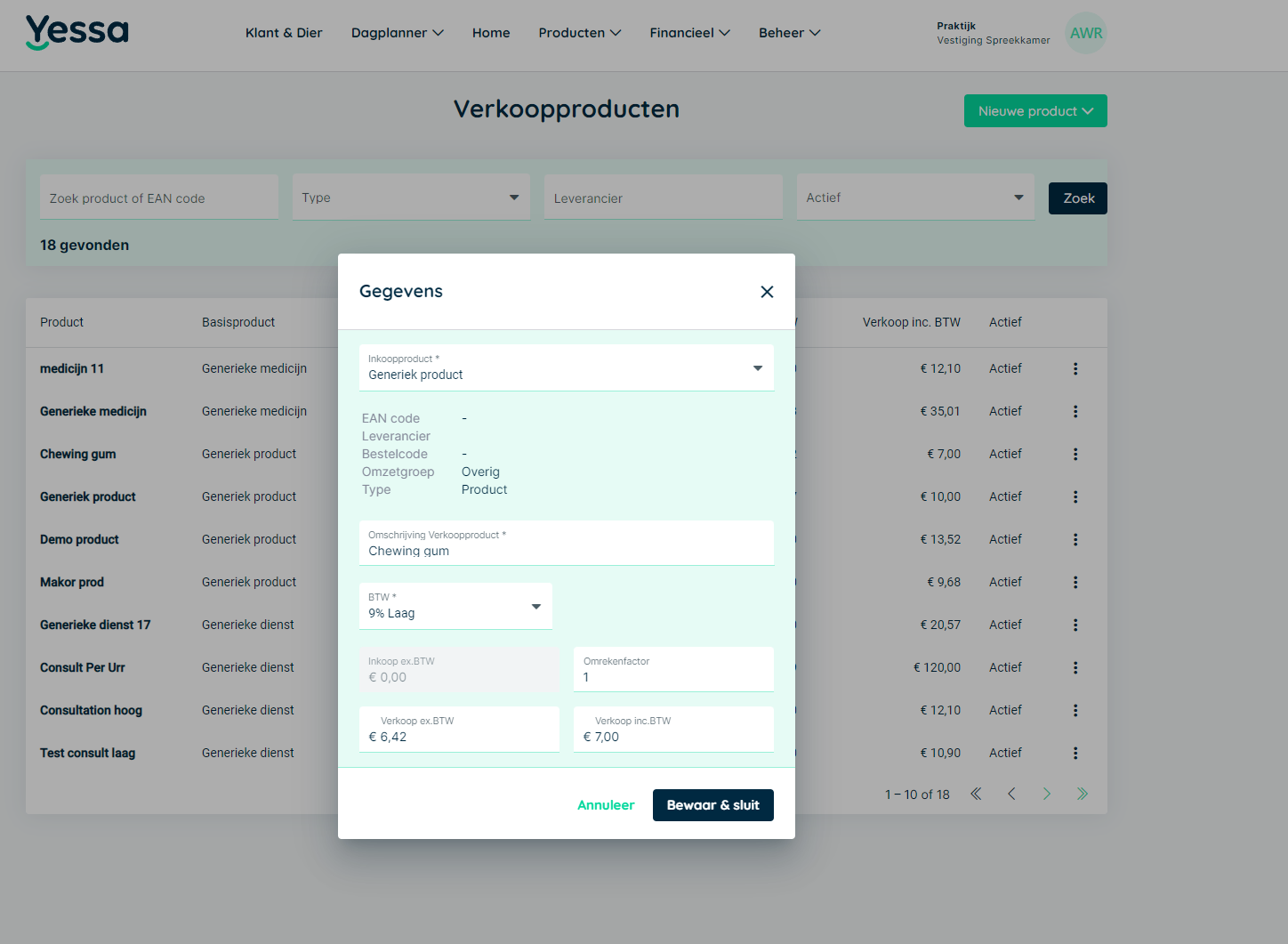
The system was tested first in small practices and then adopted by more and more of them. “We started with small companion-animal practices and then developed it further for mixed practices, with pets and farm animals. In a few years we want to be a large player among farm-animal practices.”
Update, September 2026. Yessa is also where our AI went into production: a copilot that prepares the consultation, while the vet decides. How that works and where the line is drawn is in Where the vet decides and on AI in production.